Introduction
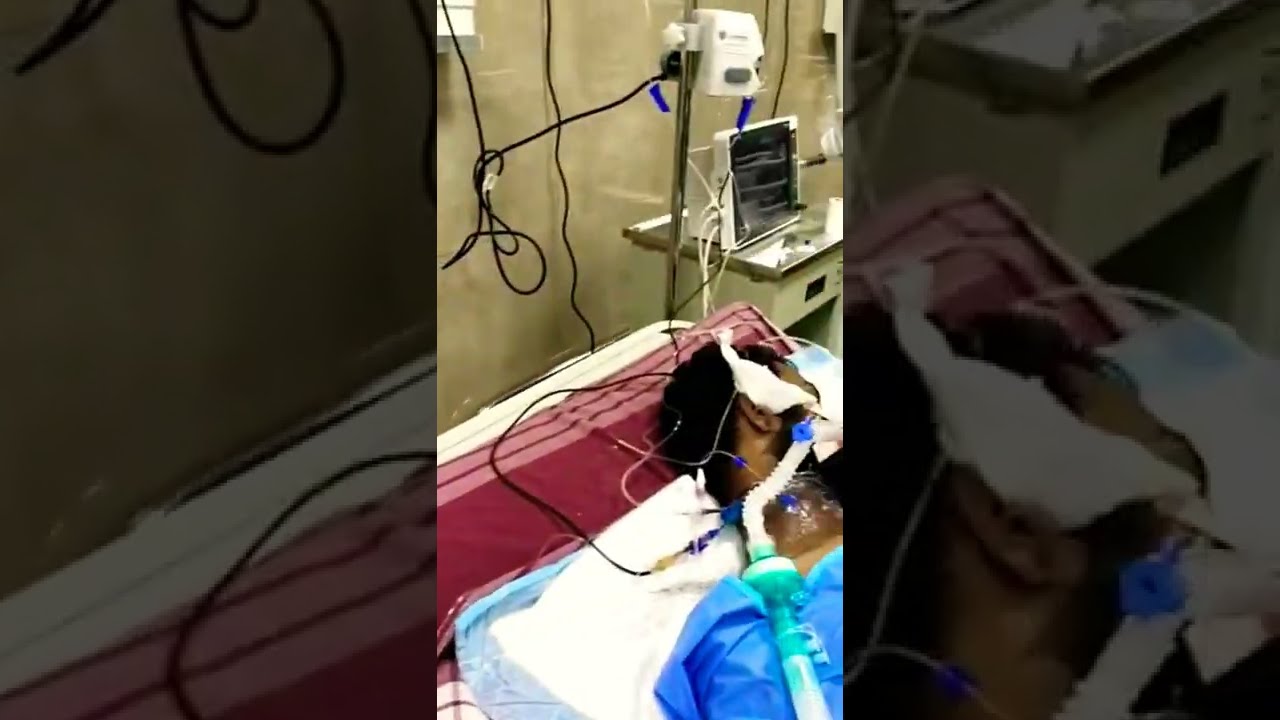
Airway management is an important element of person care, particularly in emergency and intensive treatment settings. It needs not just technological abilities but likewise a comprehensive understanding of the physical implications of air passage compromise. This short article looks into the Common Challenges in Air passage Administration and Exactly How to Get over Them Through Training We will certainly check out numerous challenges wellness specialists deal with in airway administration, go over efficient training approaches including ventilation training courses, and suggest methods for overcoming these obstacles to enhance patient outcomes.
Common Challenges in Airway Administration and How to Get rid of Them Through Training
Managing a client's air passage is laden with difficulties that can affect their safety and recuperation. Here are some common issues:
Anatomical Variability- Different patients existing unique anatomical structures. As an example, weight problems, age, or congenital problems can complicate intubation. Solution: Educating programs like standard ventilator training courses offer hands-on exercise with diverse physiological versions to mimic real-life scenarios.
- Many healthcare experts may not be familiar with the most up to date ventilation tools or techniques. Solution: Regular participation at upgraded ventilation training courses guarantees professionals stay efficient in using contemporary devices.
- Conditions like bronchial asthma or COPD can make typical air flow techniques much less effective. Solution: Advanced ventilation training teaches alternative methods such as high-flow nasal cannulae and non-invasive positive stress ventilation.
- Anxiety during high-pressure situations can prevent performance. Solution: Simulation-based training helps construct self-confidence via recurring technique under worry-free conditions.
- Effective respiratory tract administration usually involves multiple staff member; bad interaction can cause errors. Solution: Interprofessional training sessions foster far better synergy and make clear duties during emergency situation situations.
- Improper air passage management can bring about lawful consequences for health care providers. Solution: Education on methods and guidelines throughout training reduces dangers related to air passage management.
Understanding Airway Monitoring Techniques
What is Air passage Management?
Airway administration refers to the techniques made use of to make certain the patency of the air passage in between the environment and an individual's lungs. This consists of preventing blockage, making sure adequate air flow, and supplying sufficient oxygenation.
Importance of Proper Ventilation Techniques
Proper air flow strategies are crucial for maintaining oxygen levels in seriously ill clients. Insufficient ventilation can lead to hypoxia, which has major repercussions including body organ failure or death.
Types of Respiratory tract Devices Used
- Endotracheal tubes Supraglottic airways Tracheostomy tubes
Each tool offers details objectives based upon individual demands and professional situations.
Ventilator Training for Nurses
Overview of Ventilator Use
Ventilators provide mechanical support for people who can not take a breath independently due to clinical problems such as breathing failure or neuromuscular disorders.
Importance of Specialized Ventilator Training
Nurses must undergo specific ventilator training to recognize:
- Settings like tidal volume and stress support Monitoring ventilator alarms Recognizing indications of ventilator-induced lung injury
Recommended Courses
Courses such as the NDIS ventilation program particularly deal with these expertises, outfitting registered nurses with necessary abilities for reliable individual care.
Comprehensive Ventilation Courses
Components of Reliable Ventilation Training Courses
A versatile program need to include:
- Theoretical expertise regarding respiratory system physiology Hands-on experiment various types of ventilators Case researches showing usual obstacles experienced in clinical settings
Advanced Strategies: Tracheostomy and Ventilator Training
Training particular to tracheostomy care is vital because it entails special considerations contrasted to common intubation methods:

- Managing secretions effectively Understanding cuff pressures Preventing infection
This specialized education guarantees that healthcare providers can deliver thorough care while decreasing complications.
Simulation-Based Learning: A Key Component
Why Simulation Matters
Simulation-based learning allows specialists to exercise complicated procedures in a regulated setting without running the risk of person safety and security.
Types of Simulations Available
High-fidelity simulators that simulate real-life situations Low-fidelity designs for standard skill acquisitionBoth kinds are necessary in building expertise among healthcare providers taken part in airway management.
ndis approved ventilation courseAddressing Common False impressions about Respiratory Tract Management
Misconception 1: Only Anesthesiologists Manage Airways
While anesthesiologists play an essential role, all healthcare specialists-- consisting of nurses-- have to be learnt standard air passage concepts as a result of the changability of emergencies.
Misconception 2: All Ventilators Function Similarly
Different kinds of ventilators offer numerous functions; understanding each type's distinct functions is critical for reliable use during emergencies or regular care.
The Role of Proceeding Education in Enhancing Skills
Continuing education fosters ndis ventilation course long-lasting understanding among healthcare specialists, ensuring they remain upgraded on evolving techniques associated with airway administration and ventilation techniques.
FAQs Concerning Airway Monitoring Challenges
FAQ 1: What Need to I Do If I Experience Difficulty Intubating a Patient?
If you experience difficulty intubating a patient, take into consideration requiring assistance from colleagues experienced in hard respiratory tracts. Usage adjuncts such as video clip laryngoscopes if available, which can offer far better visualization than straight laryngoscopy alone.
FAQ 2: Just how Can I Enhance My Group's Interaction Throughout Airway Emergencies?
Conduct routine simulation drills focusing on emergency situation scenarios that call for clear communication among employee. Establishing standardized communication protocols can considerably improve teamwork under pressure.
FAQ 3: What Are Some Signs That A Patient Demands Immediate Ventilator Support?
Signs that a patient might call for instant ventilator support include extreme respiratory distress (e.g., tachypnea), altered mental condition as a result of hypoxia, or evidence of respiratory muscle mass fatigue (e.g., accessory muscle use).
FAQ 4: Exists a Standard Procedure for Taking Care Of Clients with Tracheostomies?
Yes! Familiarize on your own with institutional methods regarding tracheostomy care, including sucking procedures, cuff inflation/deflation practices, and emergency interventions when faced with unintended decannulation.
FAQ 5: Can Improperly Managed Airways Result In Long-Term Complications?
Absolutely! Insufficient respiratory tract administration can cause long-lasting difficulties such as lung scarring from barotrauma or relentless dysphagia from extended intubation necessitating mindful surveillance post-extubation periods.
FAQ 6: What Resources Are Readily Available For Recurring Education And Learning In Airway Management?
Explore webinars offered by expert companies like the American Association for Respiratory Treatment (AARC) or register in regional workshops concentrated on existing ideal methods bordering advanced air passage administration techniques!

Conclusion
In conclusion, addressing the common difficulties integral in respiratory tract management calls for continuous education and learning with specialized training programs tailored particularly towards improving both academic knowledge base along with functional capability required within professional environments facing intense respiratory system dilemmas frequently! By welcoming organized instructional chances-- such as standard ventilator training courses-- healthcare providers outfit themselves with tools required not just make it through but thrive skillfully while ensuring ideal end results for their patients!